Welcome to my blog. This blog pretty much reflects me, and I am one eclectic person. I have restaurant reviews, shop reviews, posts about human trafficking, poems (written by me or just appreciated by me), reflections from sermons, events, old mission trip newsletters – and much more. There’s a whole category of posts on the wedding planning and I am now homeschooling our two kiddos, so there’s a smattering of info about that as well.
If you are lost, don’t feel bad. I’m still glad you’re here.
You can easily navigate the blog by scrolling down and checking out the topics on the right hand side. I also have links to some fab other blogs and sites which I love. I hope you’ll share the love and go see them as well. You can subscribe here (also on the right-hand side) or just push through.
I always knew that science would not be my focus in college – I have a deep love for languages and cultures and that kind of work was my goal at both schools I went to – Miami University (Linguistics) and Temple Bible College (Christian Ministries/Biblical Languages). But, I had to take a science class while at Miami (somehow, I didn’t have to take any science class at Temple except for a Science and the Bible course offered through Answers in Genesis….which was exactly what you’d expect it to be) and I could choose between geology or astronomy.
Geology didn’t fit into my schedule, so I went with Astronomy and Space Physics which was very interesting. But I can’t help but wonder what the geology class would have been like. Astronomy was a lot of math and hands off, but geology would have been (well, probably lots of math too) very hands on! I used to have a rock collection that we put together for Girl Scouts and did all the tests for checking what kind of rock – hardness, cleavage, streak, texture, opaque/translucence. To hold
You may find a free printable of my list of 20 books: or – again for FREE. 🙂
If you want to skip the download, you can find the list on both or
My mom bought the kids a microscope that came with an assortment of rocks to examine. We have had such a great time with this microscope and it is a fantastic introductory tool for younger kids – roughly $40 with a lot of extra things. My only complaint is that the plastic rounds for your own slide samples are so super easy to lose. Ask me how I know! Agh!
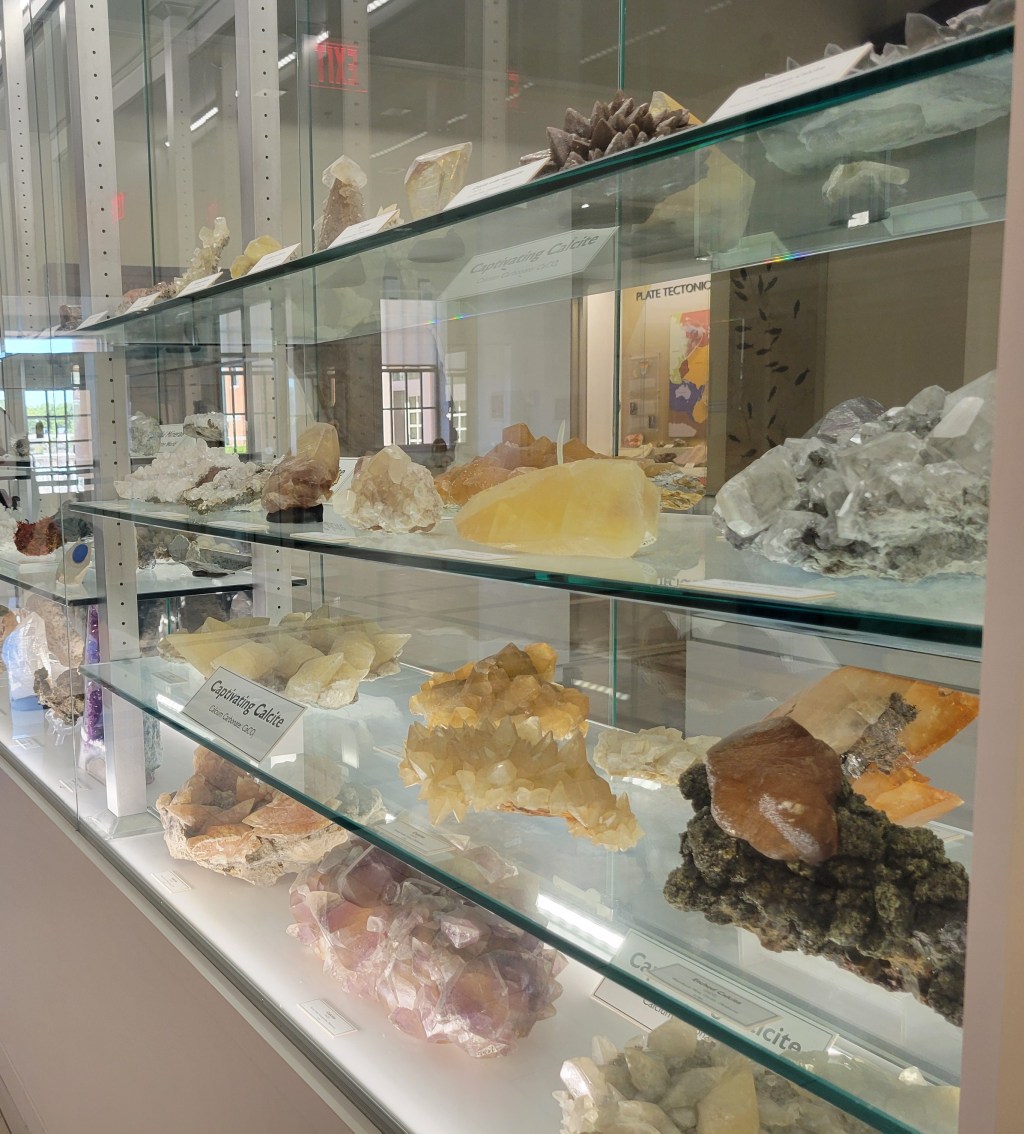
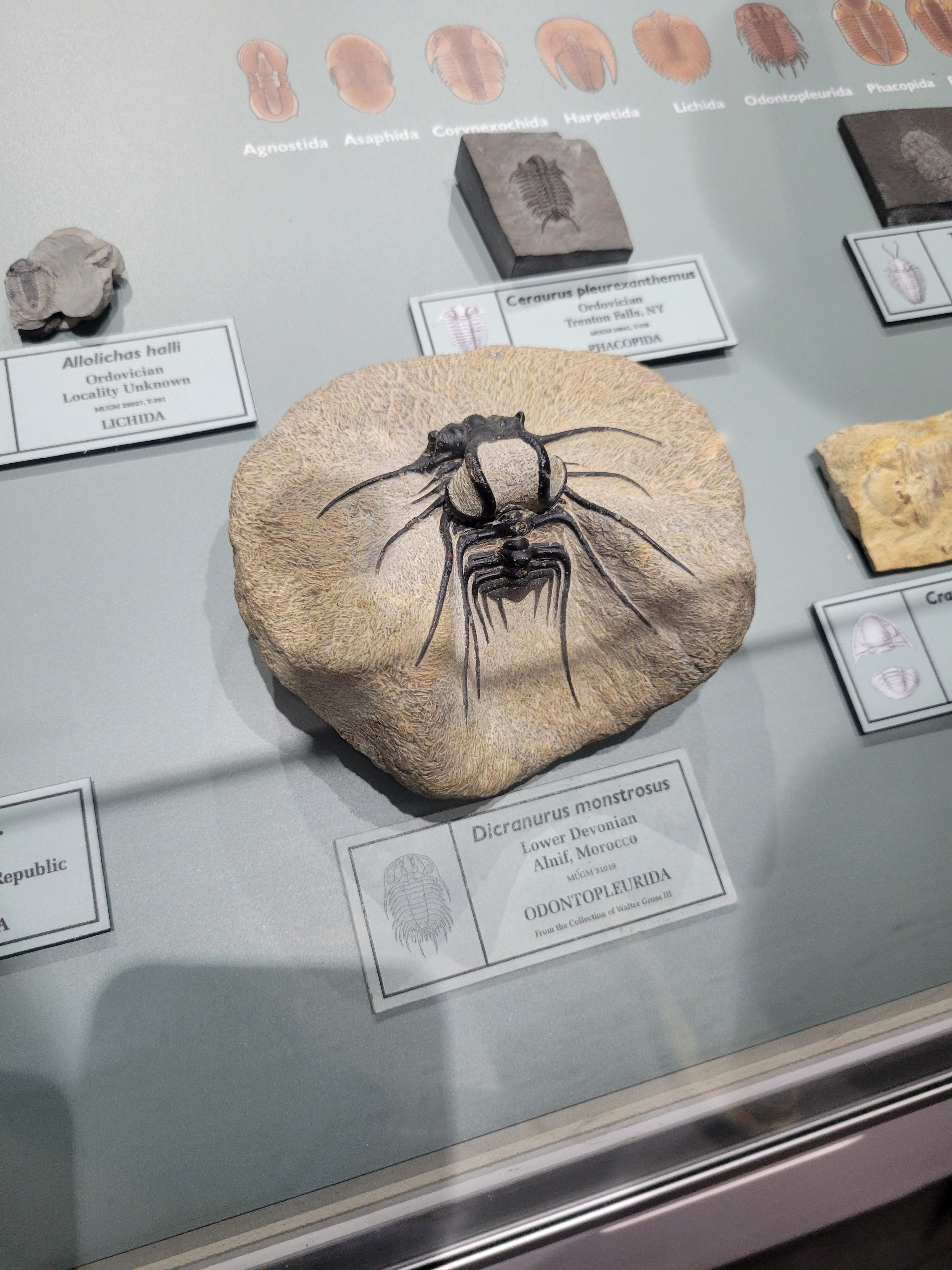
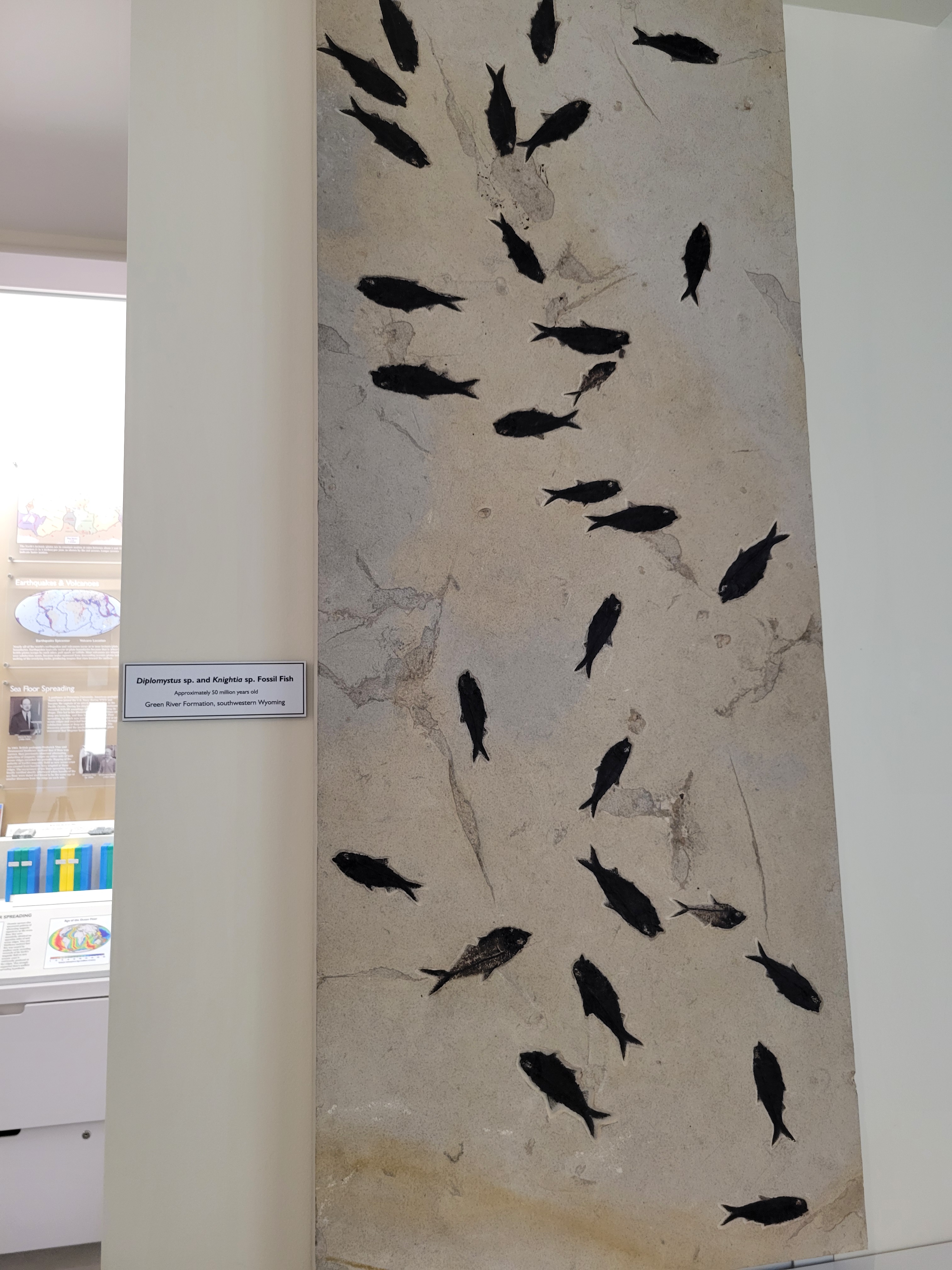
A nearby county had a special America 250 virtual passport this year with a prized stuffed eagle by the end of visiting 10 out of more than 50 historical and interesting sites in the county. Miami University, in Oxford, OH has several sites which were included on the list. We made a field trip of two of them recently. The Hefner Museum of Natural History and the Karl E Limper Geology Museum. They are close by, but we split them up between lunch downtown, but I would highly recommend BOTH of these museums if you are in the area on a weekday. All the photos in this post are from our visit to Limper.
I would recommend looking around in your area for something like this – if you have a university nearby there’s a good chance you could request access to a geology cache, if they don’t have a similar museum. We also have several places nearby to hunt for fossils for free and between fossils and arrow heads in the area, kids will be delighted with their results. Southwest Ohio is apparently a destination site for fossil hunters around the world because we have a unique fossil age close to the surface, the Ordivician Period. What fossils might you find in your area?
Disclaimer:This site uses some affiliate links. This costs you nothing, but helps supplement our homeschooling costs. Thank you for your support!
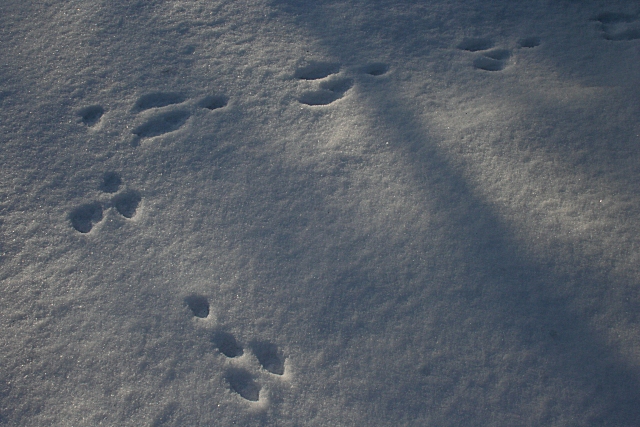
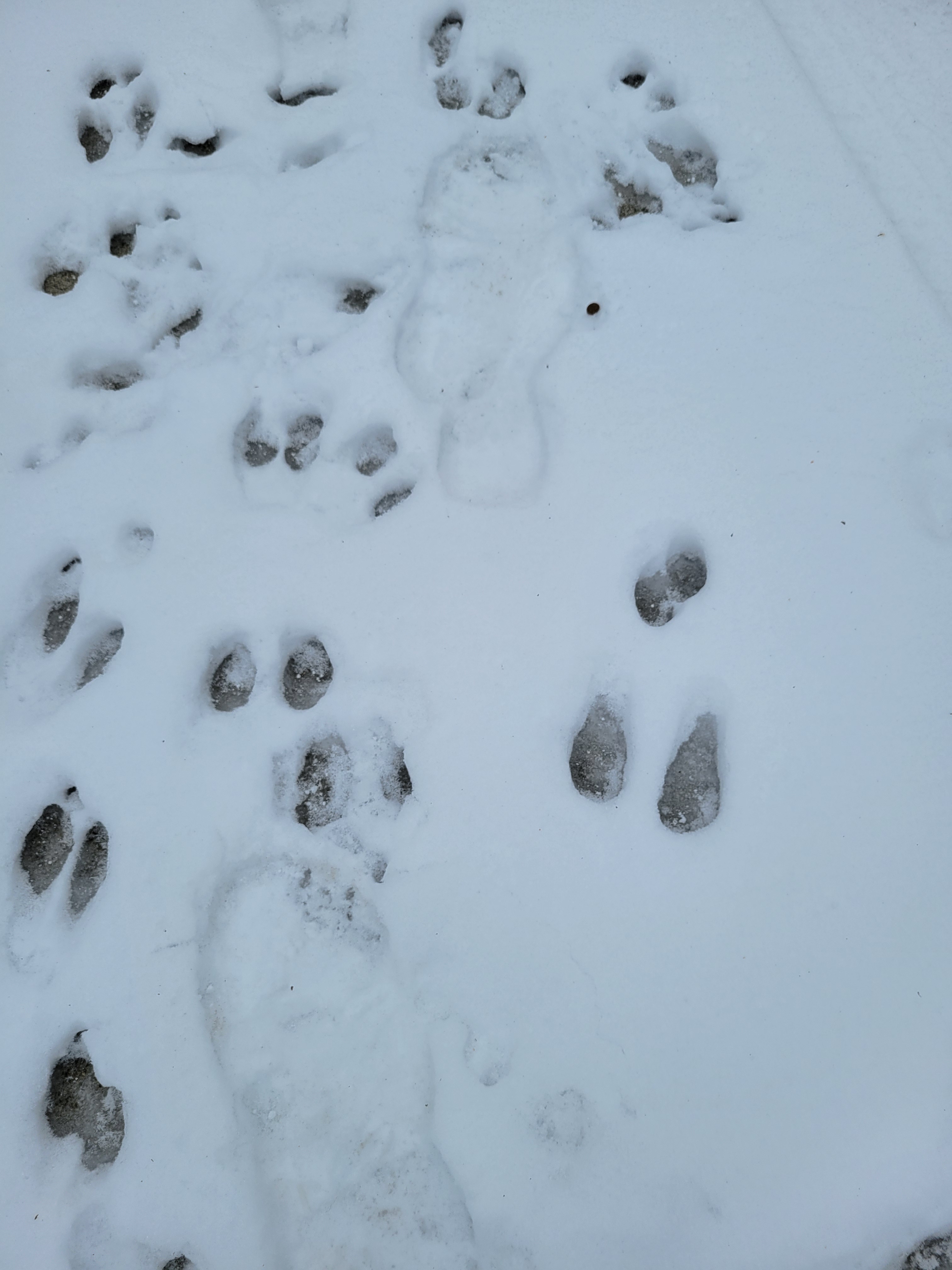
I grew up watching shows like Dr Quinn Medicine Woman where Sully could track animals and people and even tell how long ago something came through. Usually it was an indigenous person who seemed to have super-human knowledge of the wild and I thought it would be incredible to know the woods and animals that well. It’s like being a nature detective! Looking at tracks, scat, bite marks on trees or plants, and leaves and brush arranged into a nesting shape, it’s like hearing a conversation long after it happened.
As I said with one of the other lists – to see small things exercises the “noticing” muscle and not just for my kids, for me too! I’ve recently become more interested in caterpillars and did you know just how many different types of caterpillar frass there is!? Frass is caterpillar poop, or scat, and it ranges in texture and full-color spectrum. I would highly recommend The Caterpillar Lab website and Facebook page – they are working on a 2027 calendar full of up-close photos of frass.
You may find a free printable of my list of 17 books on – again for FREE. 🙂
If you want to skip the download, you can find the list on both or
A good fresh snow is an easy way to find tracks and scat that stands out against the white. It’s also the only time you can find owl wing-prints! They are amazing! When the tracks are in mud or dirt, you can try and collect a plaster cast of it! In the book list are a couple books that have excellent techniques for making print casts. If you don’t have time or resources to cast out tracks, you can always take photos or make a quick drawing. Try carrying a tape measure to mark out dimensions and spacing between tracks.
If you have any realistic plastic animal toys, you can use them to make tracks in some playdough, or air-dry clay. Whatever you choose to do, get outside and see what you can notice! There’s no telling what has been moving about your space.
Disclaimer:This site uses some affiliate links. This costs you nothing, but helps supplement our homeschooling costs. Thank you for your support!
It was a little hard to narrow down this book list – which is why there are 43 books on here. We have read so many good ones, but woodland creatures make such great anthropomorphic characters that I had to be careful with my balance of fiction and non-fiction.
You may find a free printable of my list of 43 books on – again for FREE. 🙂
If you want to skip the download, you can find the list on both or
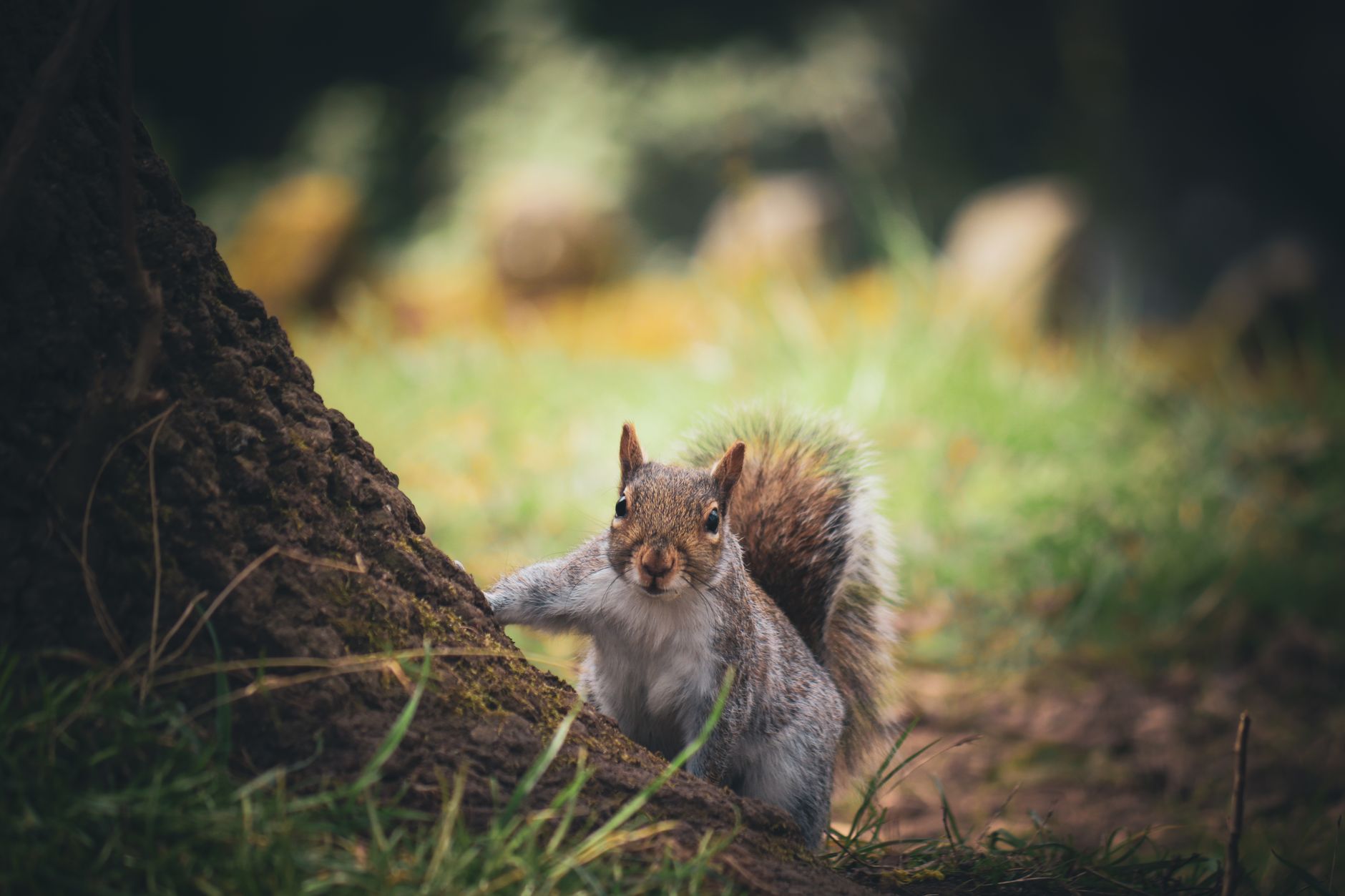
Photo by Boys in Bristol Photography on Pexels.com
Depending on the time of year and your proximity to the woods, it can be hard to find time and space to see these animals in the wild. Some are very skittish and some are risky – all are wild and therefore should be treated as potentially dangerous. One of our naturalist friends told us that a good rule of thumb is to use your thumb to determine how close you should be to a wild animals. Put your arm out in front of you, hold up your thumb, and with one eye closed, stand far enough away from the animal that it is completely covered by your thumb. This should give you at least somewhat of a head start should any chance happen.
Of course, most animals just want to get away from humans. Your best bet for finding these creatures would be to go to a local zoo. Encourage your kids to complete a woodland creatures BINGO card or just a checklist as they go throughout the zoo. You could also do a photo hunt by getting pictures of each of the animals. I don’t know about your zoo, but chipmunks and squirrels are common as they run around the grounds outside of any enclosures. What animals are common to your part of the world?
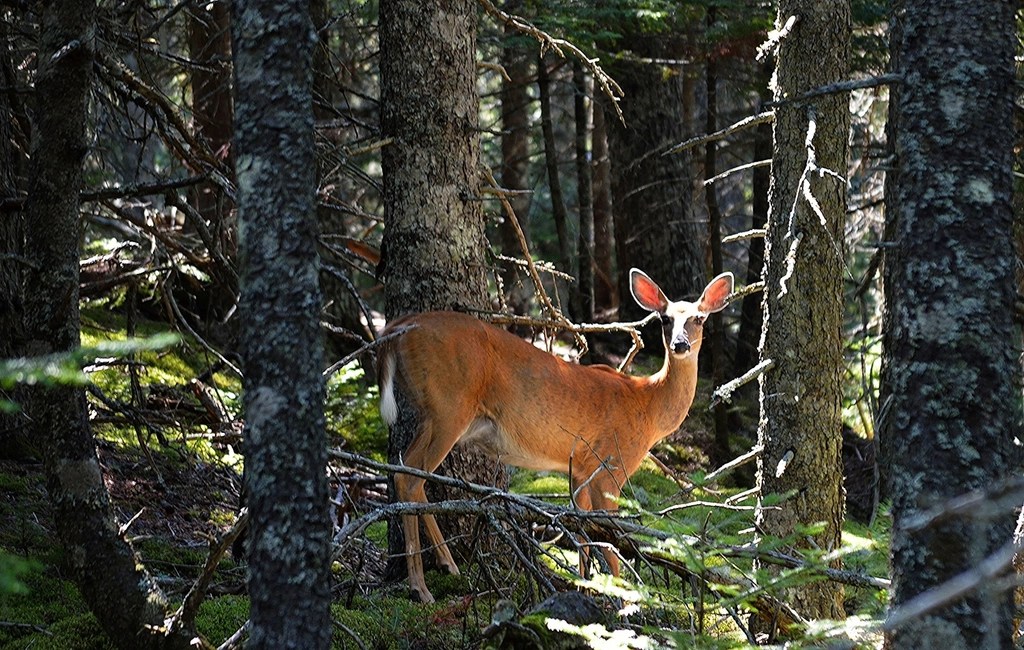
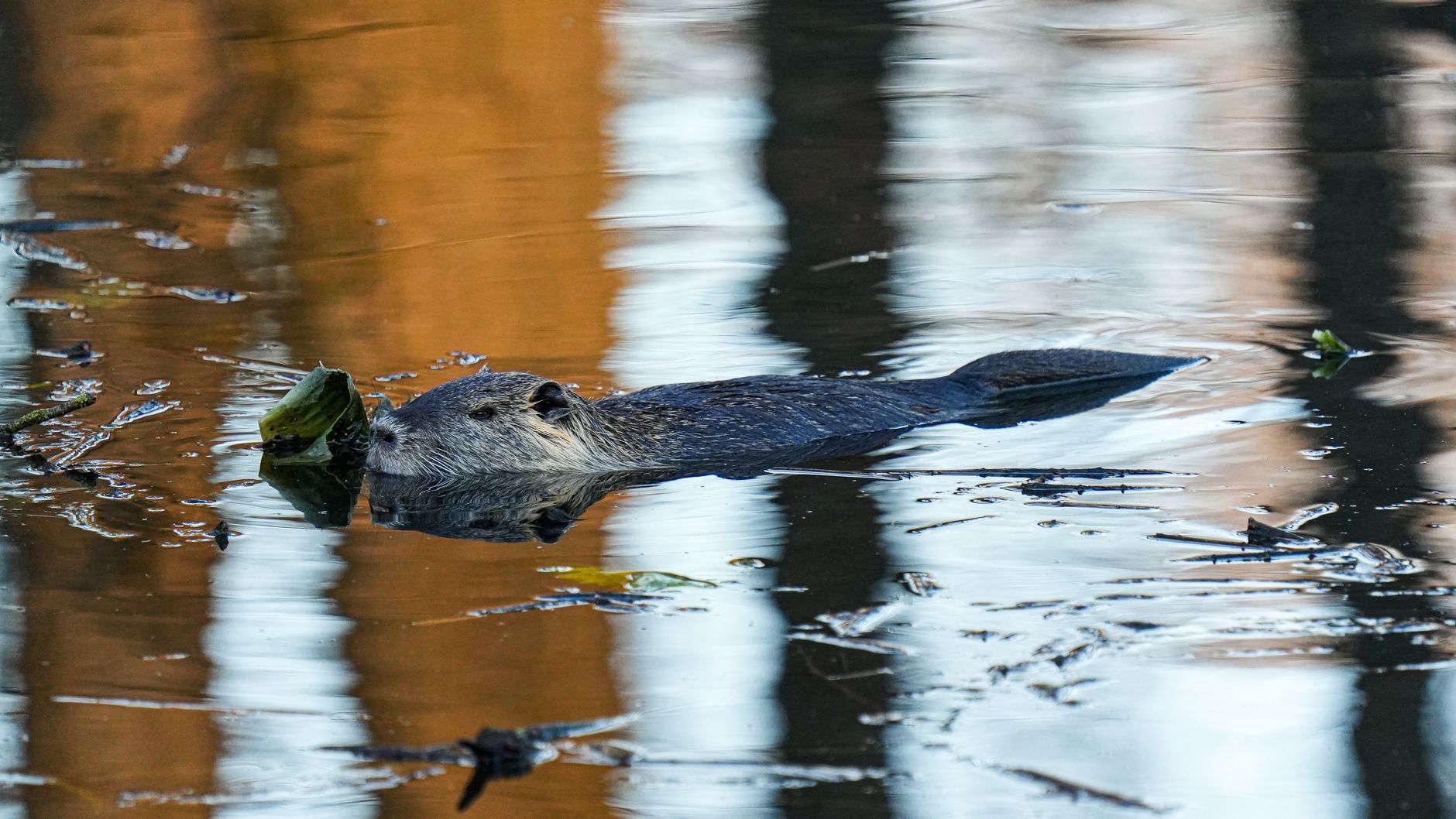
We have a state park that we have got to know (Ohio State Parks are the best in the nation – actually legitimate winner!) and from spending time there and with others who spend a lot of time, we’ve got to know quite a bit about our local fauna. It has taken practice to stay quiet and still enough and to notice signs of certain kinds of wildlife. A local photographer shared that he likes to go to the same spot at the lake at daybreak and see what creatures will come up. A few animals seem to be on a pretty consistent time schedule – deer appearing on a bank, disappearing into the trees after taking a drink, certain birds landing on the water, and a beaver swimming from one side to another, pushing a stick ahead of itself.
Let me know what wildlife you have noticed when you next spend time outside!
Disclaimer:This site uses some affiliate links. This costs you nothing, but helps supplement our homeschooling costs. Thank you for your support!